
Meet Charlotte: Refusing to Let Type 1 Diabetes Define Her For 47 Years


At 20 years old, I was diagnosed with diabetes, though it took persistence and a mother’s unwavering intuition to get there. My eating habits had changed, and I was losing weight rapidly. My mother, recognizing something was wrong, made an appointment with her doctor. When the tests came back, the doctor dismissed my symptoms, telling me it was all in my head. Later, I would find out those weren’t even my test results. But my mother knew better.
She refused to accept that answer, knowing my paternal grandmother had diabetes. She immediately scheduled an emergency glucose test at the local hospital. About an hour into the procedure, they stopped the test. Something was seriously wrong. They insisted I go by ambulance to another hospital. I refused. Instead, my mother convinced them to let us go home briefly, but the moment we left, she drove me straight to the hospital. She saved my life that day because she did not give up.
I spent a week in the hospital, learning how to inject insulin into an orange and test my urine for glucose. When I finally went home, food became an obsession—but not in the way it used to be. Every bite I took was scrutinized. You can’t have that. Exercise, which had always been a part of my life as a college dance major, became even more essential. I walked the farm roads near home, sometimes pushing myself so hard I barely made it back. Insulin reactions were foreign to me then, and when I had one in the middle of the night, I woke my mom. She helped me, but her frustration was clear. That was the moment I knew I had to take charge of this myself.
I managed the injections, the strange feelings, the sudden need for food. It was my responsibility now. When I transferred to another university as a dance major, I kept sugar cubes offstage, making sure everyone knew never to move them.
Life moved forward. I graduated, started my career, and got married. But the shadow of diabetes was always there, sometimes in ways I never expected. A prominent endocrinologist told me I wouldn’t live past 30 and that having children was out of the question. I refused to accept that. I found doctors who believed otherwise, who said it would be difficult but possible. I tracked every meal, every workout, every insulin dose. And against the odds, I had three healthy children.
Now, 47 years later, I’ve worn many hats: mother, dancer, elected official, grants analyst. Through it all, diabetes has been with me. But it has never run my life. I adjust, I adapt, and I keep going.
I still carry my purse with my supplies everywhere, sometimes earning teasing for it. But I know better. Recently, sitting in a new internist’s waiting room, I saw a display of past diabetic medical devices. I laughed, recognizing most of them as things I had used over the years. I felt grateful for how far diabetes care has come and wished my grandmother had lived to see these advancements.
Diabetes has shaped me, but it has never defined me. And as I look back, I know one thing for certain, resilience, persistence, and a refusal to accept limits have made all the difference.
Related Stories
Meet Rosa: Her Journey of Family, Courage, and Living Fully with Type 1 Diabetes
Meet Naomi: Running Strong with Latent Autoimmune Diabetes in Adults
Meet Kelly and Ben: Living with Type 1 Diabetes Across Generations
A Family’s Journey with Type 1 Diabetes and Insulin Access

Meet Kim: Teaching Future Nurses the Truth About Life with Type 1 Diabetes

Meet Hannah: Building a Beautiful Life with Type 1 Diabetes

Meet Melanie: Finding Freedom, Confidence, and a New Normal with Type 1 Diabetes
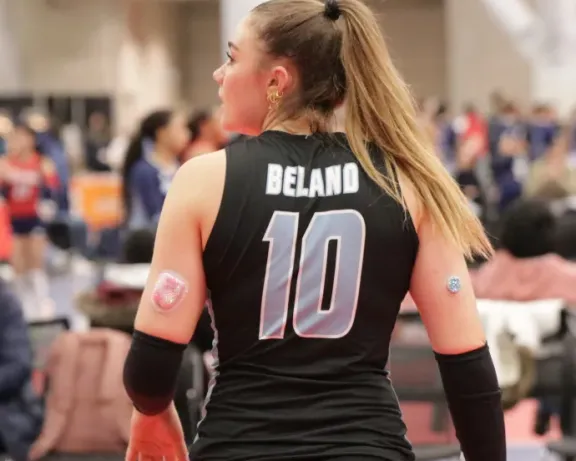
Meet Roe: Proving Type 1 Diabetes Can’t Stop a Division I Dream

Give Today and Change lives!
With your support, the American Diabetes Association® can continue our lifesaving work to make breakthroughs in research and provide people with the resources they need to fight diabetes.
Add diabetes.org as a preferred source on Google.